
Duna’s journey ended far too soon.
Last year we shared her story, from birth to full independence. After her release, she undertook the long movements typical of young Lanner Falcons: first toward Apulia, then Calabria, and finally a long northbound flight that brought her to the Parma area, where she chose to settle.
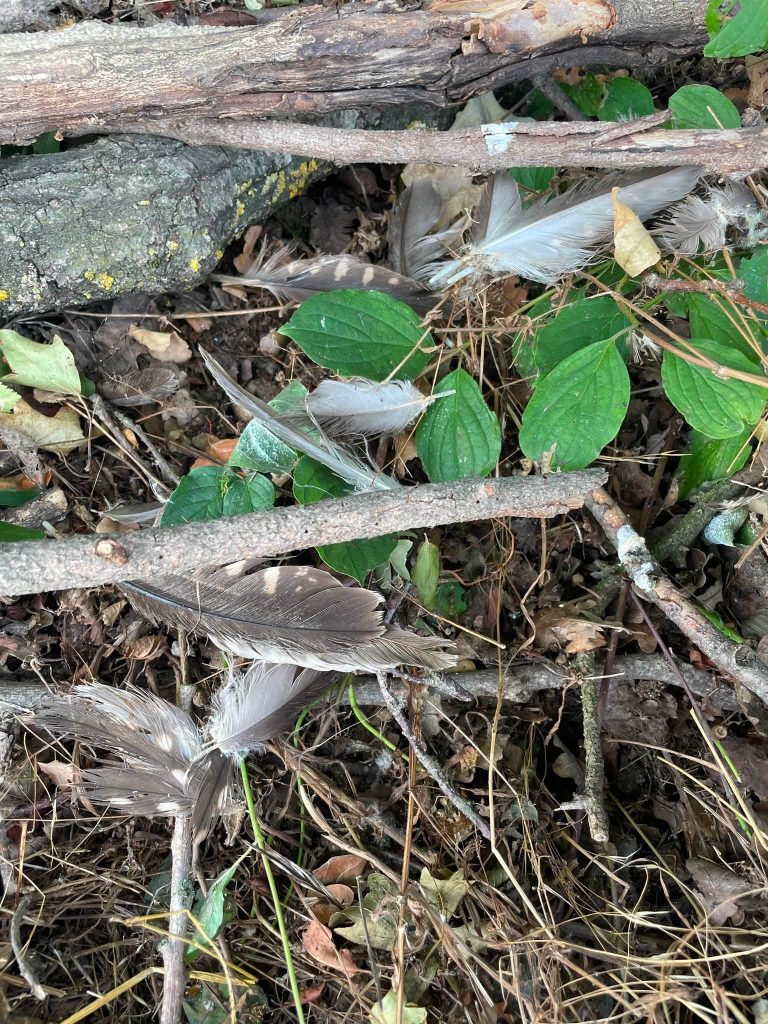
Unfortunately, nearly a year later, Duna was found dead. Only a few remains and the GPS device were recovered. The cause of death is unknown: among the possible hypotheses is predation by an arboreal carnivore, such as a marten or a beech marten, but there is no evidence to confirm this.
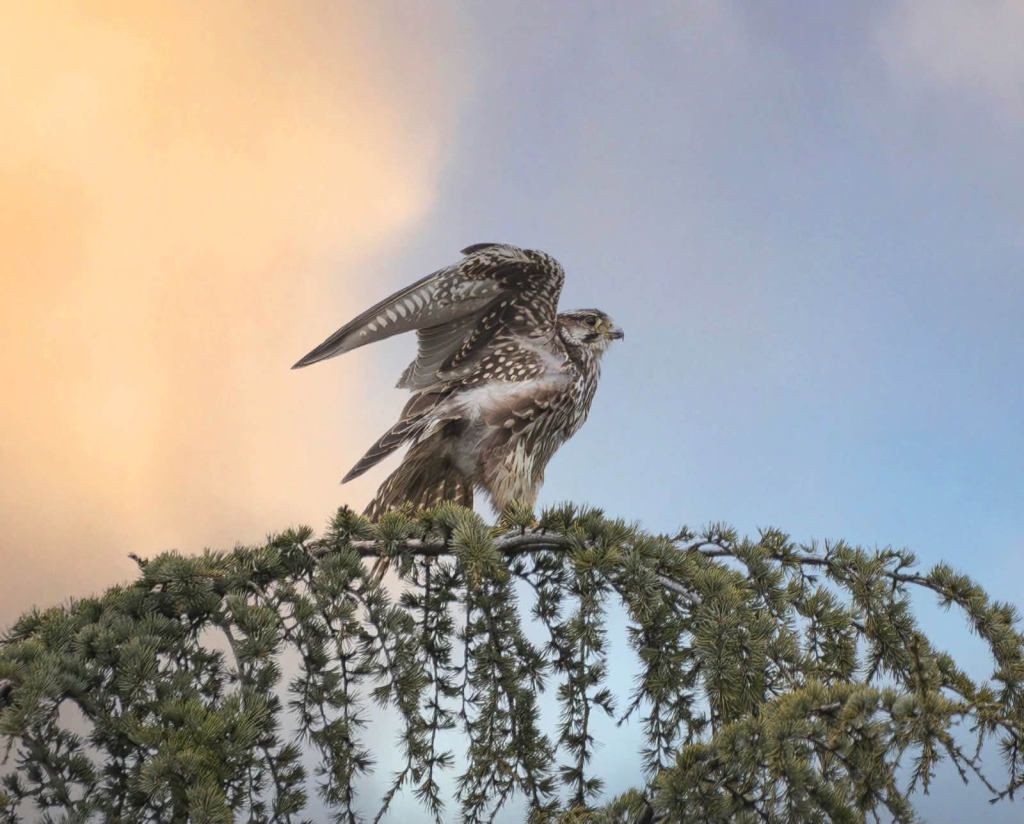
For months, Duna frequented the agricultural landscape of Casalbarbato (PR), an area rich in food resources and visited by numerous birds of prey. Her choice highlights an important aspect: the Lanner Falcon can find suitable habitat even outside the species’ current core distribution, which today is concentrated in southern Italy, especially Sicily. Not by chance, until just a few decades ago, the Lanner Falcon also bred in several areas of central and northern Italy, from which it later disappeared.
Each monitored individual helps us better understand how young falcons explore the landscape and which environments they select. Duna’s journey is another valuable piece of knowledge that will help guide future conservation actions.
Attention remains high on one of the main threats to this species: unsecured power lines. In the area frequented by Duna, there were also poles that could pose a danger and, although it is not possible to link them to her death, electrocution continues to be a documented cause of mortality for Lanner Falcons and many other raptors.
The information collected during her year of freedom will continue to support our work and contribute to the conservation of the Lanner Falcon.
 EN
EN  IT
IT