
Nel corso di sei anni di lavoro, LIFE LANNER ha affrontato una delle sfide di conservazione più urgenti in Italia: il rapido declino del falco Lanario (Falco biarmicus feldeggii), a species for which our country holds the majority of the European breeding population. When the project began, the situation was already critical. In Lazio, the falcon had disappeared as a breeder, and nationwide numbers had collapsed from more than 150 pairs to around 50. Reversing this trend required a combination of scientific knowledge, fieldwork, and long‑term commitment.
Ricostruire una popolazione, un pullo alla volta
One of the most significant achievements of LIFE LANNER was the establishment of the first public breeding centre in the European Union capable of successfully reproducing the Lanner Falcon. At the Monti Cimini – Lago di Vico Wildlife Rescue Centre, dedicated aviaries and a specialised nursery allowed staff to raise young falcons with the highest welfare standards. Between 2022 and 2026, sono nati e liberati 16 giovani Lanari, marking a milestone for ex‑situ conservation of the species.
The release phase relied on a refined form of controlled hacking: a gradual process in which young falcons spend several weeks in a protected structure before choosing to leave it voluntarily. This method, improved year after year, led to an exceptional result — un successo del 100% nell’indipendenza dei giovani negli ultimi tre anni.Nessun altro progetto europeo dedicato al Lanario aveva mai raggiunto valori simili.
Capire come i giovani falchi esplorano il mondo
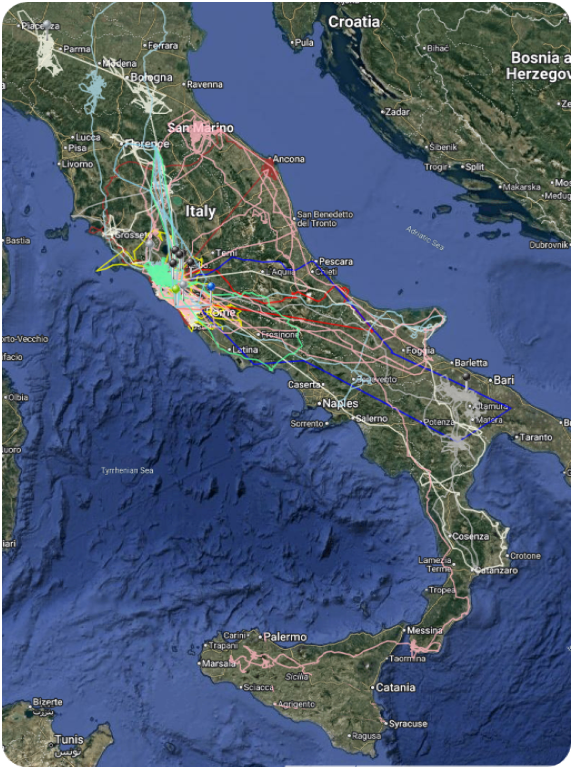
To evaluate the effectiveness of the releases, LIFE LANNER equipped the young falcons with GPS transmitters. Their movements revealed a remarkable pattern: the birds dispersed across the entire Italian peninsula, reaching regions historically occupied by the species and even travelling as far as Sicily. They selected the same habitats used by wild Lanners — open landscapes, isolated trees, rocky areas, and powerline poles — demonstrating that the released individuals behaved exactly like their wild counterparts.
Tutti gli individui monitorati hanno raggiunto aree entro 5 km da siti riproduttivi storici o attuali,un segnale forte dell’efficacia della strategia di rilascio.
Ridurre le minacce nel paesaggio
Electrocution emerged as one of the most serious risks for young falcons. Although hacking ensured excellent survival in the first months, several individuals died later on powerline poles far from the release area. In response, the project collaborated with e‑distribuzione to secure 363 palisuperando ampiamente l’obiettivo iniziale. L’intervento non protegge solo i Lanari, ma anche molte altre specie di rapaci che utilizzano i pali come posatoi.
Ripristinare gli habitat da cui dipende la specie
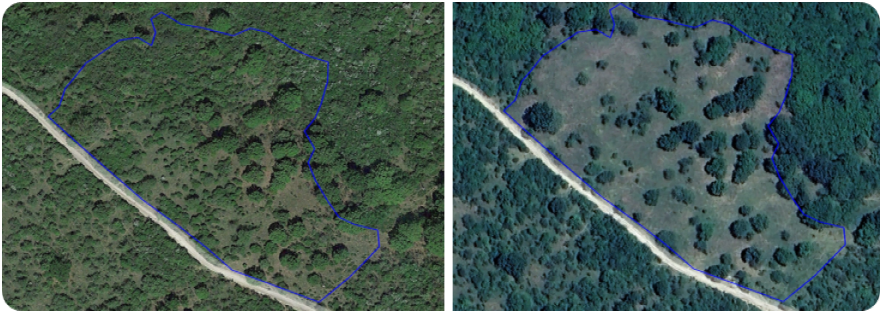
Il Lanario è un predatore di ambienti aperti. Negli ultimi decenni, molti di questi habitat sono stati persi a causa dell’avanzamento della vegetazione arbustiva. LIFE LANNER ha ripristinato circa 130 ettari of open areas near the release site and former breeding territories, reopening grasslands and pastures essential for hunting. Traditional water troughs were refurbished, and protected areas were supported in planning long‑term maintenance, ensuring that these landscapes remain suitable for the species in the future.
Un’identità genetica per il Lanario europeo
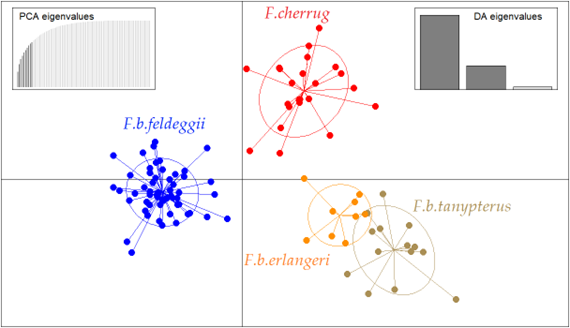
Il progetto ha prodotto il primo quadro genetico moderno per Falco biarmicus feldeggiiAnalizzando 167 individui,inclusi esemplari museali, i ricercatori hanno identificato un set di marcatori genetici in grado di distinguere la sottospecie europea dagli altri membri del gruppo Hierofalco Questo lavoro permette ora di verificare l’origine degli individui, valutare le parentele e supportare sia la riproduzione in cattività sia il monitoraggio delle popolazioni selvatiche.
A national picture after twenty years
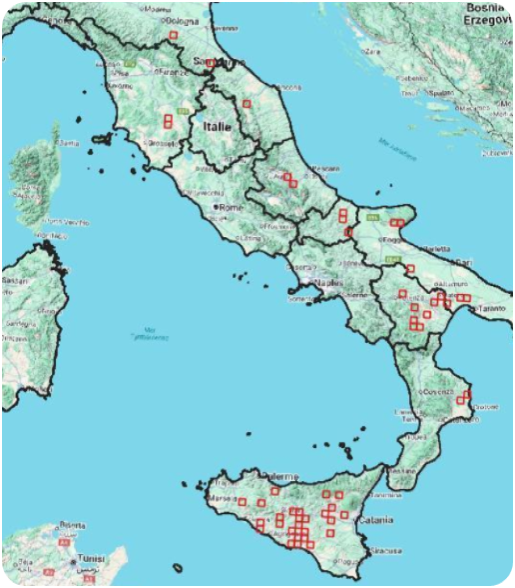
LIFE LANNER ha coordinato il primo monitoraggio nazionale della specie dal 2001. In 266 sitidistribuiti in tutte le regioni dell’areale, esperti e associazioni hanno collaborato per aggiornare lo stato della popolazione. I risultati hanno confermato la gravità del declino: only 44–56 breeding pairs rimangono in Italia. Un dato allarmante, ma indispensabile per orientare le future azioni di conservazione.
Una nuova rete di centri di recupero
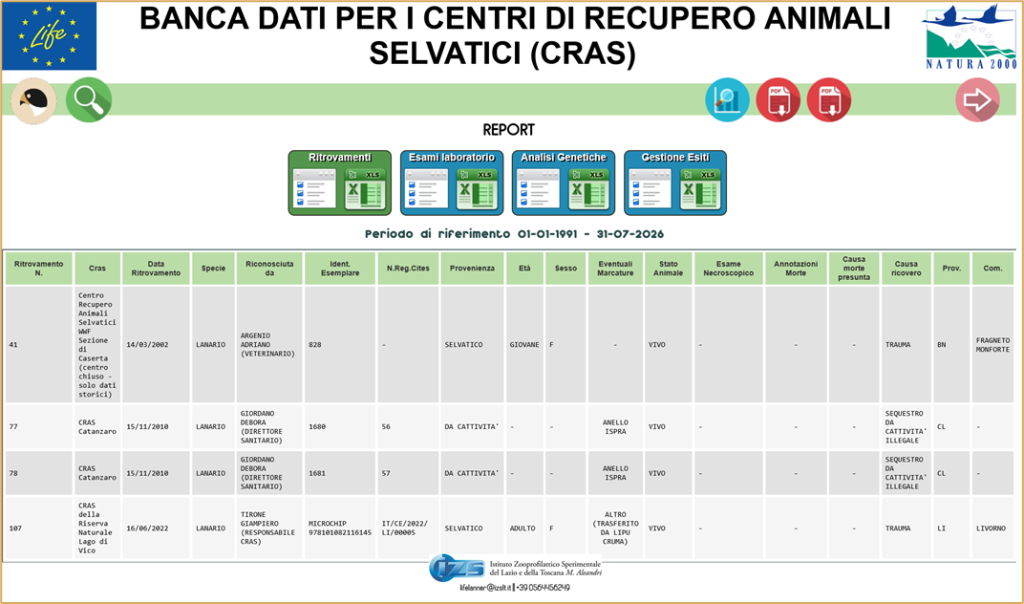
I centri di recupero rappresentano spesso il primo punto di ingresso per rapaci feriti o debilitati. LIFE LANNER ha creato una rete nazionale coordinata, raccogliendo 354 dati da 38 centri in tutta Italia. Questa banca dati è oggi la più completa raccolta di informazioni sui recuperi di falchi nel Paese.
Training, communication and long‑term vision
Il progetto ha investito nella formazione del personale regionale e provinciale, ha prodotto linee guida, video, articoli e ha partecipato a conferenze scientifiche. La consapevolezza pubblica è cresciuta significativamente, culminando in un servizio televisivo nazionale che ha raggiunto oltre un milione di spettatori.
Finally, LIFE LANNER developed an After‑LIFE plan to ensure continuity: ongoing monitoring, maintenance of hacking structures and open habitats, continued breeding, genetic analyses, and coordination with rescue centres. These actions will continue for at least five years, supported by a dedicated annual budget.
Una base solida per il futuro
LIFE LANNER did not simply carry out isolated actions — it built a long‑term conservation infrastructure. A functioning breeding centre, proven release techniques, updated national data, safer landscapes, restored habitats, a genetic identification system, and a national rescue‑centre network now form a solid foundation for the recovery of the Lanner Falcon in Italy.
La specie rimane fragile, ma grazie a LIFE LANNER il suo futuro non è più affidato al caso.
 IT
IT  EN
EN